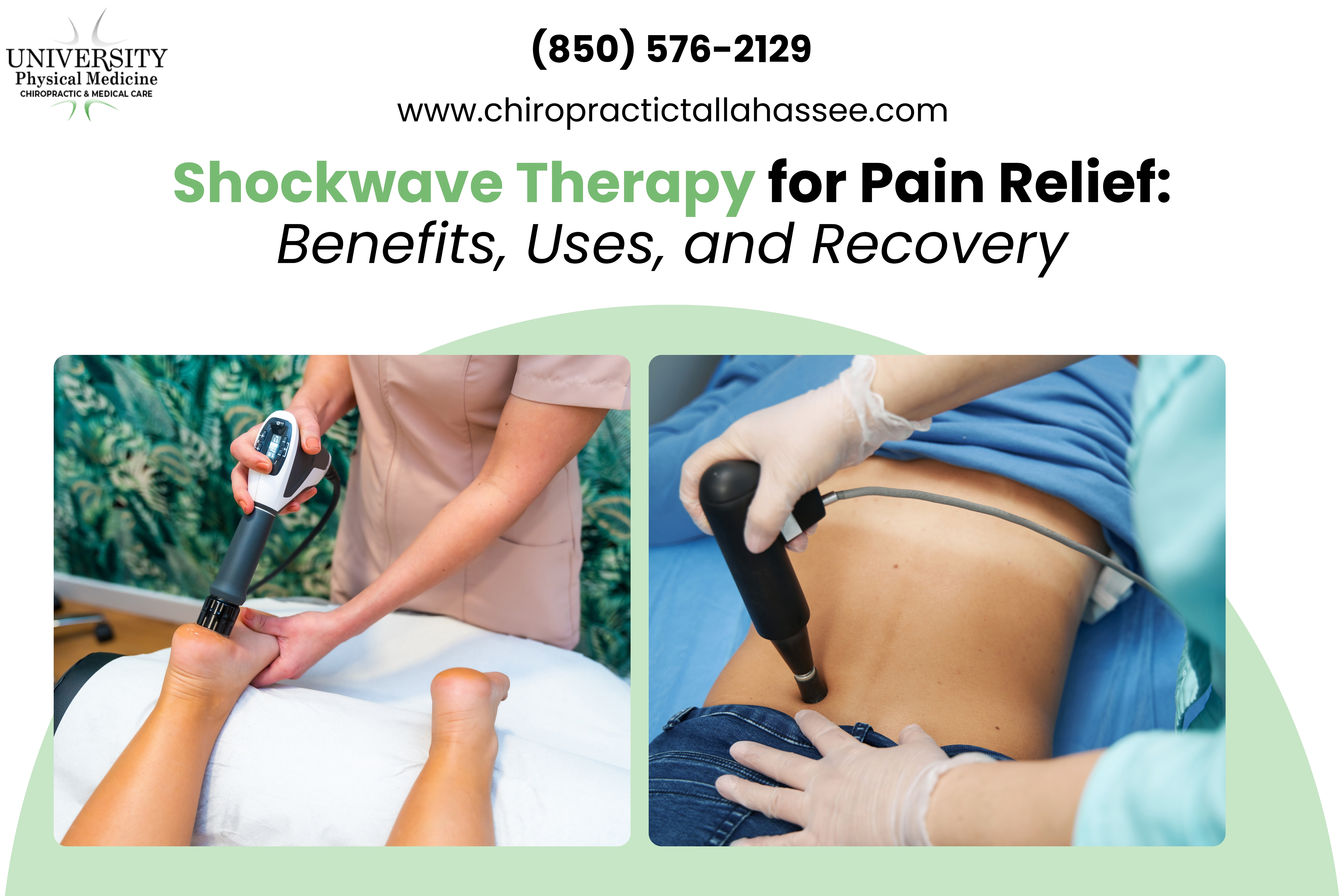
Shockwave Therapy for Pain Relief: Benefits, Uses, and Recovery
Chronic pain often lingers after rest, exercise therapy, or medication fail to bring relief. Many people avoid surgery because recovery and risk feel overwhelming. Non-invasive therapies draw attention because treatment supports tissue healing while daily activity continues.
Shockwave therapy has established use within chiropractic clinics, sports medicine programs, and orthopedic care settings for chronic musculoskeletal conditions. FDA cleared devices support specific soft tissue indications, yet clinical providers avoid outcome promises and rely on evaluation, diagnosis, and staged care planning.
Content below explains how treatment works, which conditions respond best, and what recovery typically involves. Readers also learn safety considerations and realistic timelines, helping informed decisions about whether shockwave therapy fits personal pain management goals.
What Is Shockwave Therapy and How Does It Work?
Shockwave therapy uses controlled acoustic energy to support healing in chronic soft tissue and musculoskeletal conditions without surgical intervention.
Extracorporeal Acoustic Energy
Treatment delivers focused sound waves from outside the body directly into targeted tissue areas using a handheld device.Targeted Tissue Stimulation
Energy pulses interact with injured tendons and fascia, creating a biological response that encourages tissue activity at a cellular level.Improved Local Circulation
Increased blood flow and oxygen delivery support waste removal and nutrient exchange around damaged structures.Cellular Repair Signaling
Mechanical stimulation prompts signaling pathways that help restart stalled healing cycles in long standing pain conditions.Chronic Tissue Adaptation Focus
Therapy supports gradual structural change in slow healing tissue rather than short term symptom masking or temporary relief.
Clinical providers select shockwave therapy based on pain duration, tissue type, and functional limitation, ensuring care aligns with evidence based treatment planning.
Conditions Commonly Treated With Shockwave Therapy
Shockwave therapy works best for chronic pain conditions where soft tissue healing slows and standard care no longer resolves symptoms.
Chronic Tendon Pain
Long standing tendon issues often involve reduced circulation and tissue breakdown, making focused acoustic stimulation helpful for restoring normal tissue response.Plantar Fasciitis and Heel Pain
Persistent heel pain linked to fascia strain responds well when sound wave therapy targets dense tissue affected by ongoing stress.Shoulder Soft Tissue Conditions
Rotator cuff irritation and related shoulder pain may benefit when therapy supports circulation and tissue recovery around restricted areas.Elbow and Knee Tendon Stress
Repetitive strain injuries around elbows and knees often improve as therapy encourages cellular activity in overworked attachment points.Hip and Lower Extremity Pain
Hip related soft tissue discomfort connected to overuse can respond as tissues receive focused mechanical stimulation.Sports and Overuse Injuries
Active individuals often use therapy for repetitive motion injuries that resist rest and basic exercise care.
Clinical providers determine suitability based on symptom duration, tissue involvement, and functional limitation rather than pain location alone.
Key Shockwave Therapy Benefits for Pain Relief
Shockwave therapy supports pain care goals through a non surgical approach that focuses on tissue recovery rather than short term symptom control.
Non Invasive Treatment Option
Acoustic energy reaches affected tissue without incisions, medication dependence, or disruption to daily movement patterns.Surgical and Injection Avoidance
Many patients pursue therapy to delay or avoid procedures that involve needles, anesthesia, or extended recovery periods.Gradual Functional Improvement
Treatment encourages steady tissue response that supports improved movement tolerance and daily activity over time.Support for Chronic Tendon Conditions
Clinical use reflects consistency across research for managing long standing tendon pain through mechanical stimulation.Minimal Recovery Disruption
Most individuals continue routine activity with simple guidance rather than prolonged rest requirements.
Clinical providers rely on careful assessment to determine whether these benefits align with each patient’s condition and care plan.
Who Is Shockwave Therapy For and Who Should Avoid It?
Shockwave therapy usually becomes part of care after simpler treatments fail to resolve ongoing pain, supporting a staged and responsible treatment approach.
Ideal Candidates
Chronic Symptoms Lasting Months
Pain that continues beyond normal healing time often signals tissue that needs targeted mechanical stimulation.Limited Response to Conservative Care
Continued discomfort after exercise therapy, mobility work, or manual treatment may justify advanced non invasive options.Functional Limits During Daily Activity
Difficulty with walking, lifting, work tasks, or recreation often reflects tissue stress suited for focused intervention.
Situations Requiring Caution or Avoidance
Certain Medical Conditions
Circulatory issues, active infections, or heightened tissue sensitivity require careful clinical screening before care begins.
Recent Trauma or Unstable Tissue
Fresh injuries or suspected structural damage require further evaluation before any mechanical therapy gets considered.
Need for Professional Evaluation
Licensed providers must confirm diagnosis, assess tissue integrity, and determine suitability before recommending treatment.
Clinical assessment protects patient safety and ensures therapy supports realistic recovery goals rather than rushed decisions.
What to Expect During Treatment and Recovery Time
Treatment sessions follow a clear structure that helps patients understand timing, comfort level, and recovery expectations before care begins.
Session Length and Sensation
Each visit usually lasts a short time, with focused energy applied to the affected area. Mild discomfort or pressure may occur during treatment, yet providers adjust intensity based on tolerance and tissue response.Typical Treatment Plan Range
Many care plans include three to six visits, depending on condition severity and tissue involvement. Providers avoid one size fits all schedules and adjust plans after evaluating progress.Spacing Between Visits
Sessions usually occur several days apart. Time between visits allows tissue to respond and adapt to mechanical stimulation without overload.
Recovery time varies based on chronicity and tissue health. Some people notice early symptom changes within weeks, while deeper tissue repair often unfolds gradually.
Delayed improvement remains common with long standing conditions, since healing depends on biological response rather than instant relief. Ongoing guidance helps patients manage activity while tissue adapts over time.
Is Shockwave Therapy the Right Choice for Pain Relief?
Shockwave therapy supports adults managing long standing discomfort tied to tendon strain and soft tissue stress. Non invasive care often appeals when daily movement matters and aggressive procedures feel premature. Focus on tissue recovery instead of fast symptom control helps set realistic expectations and supports steady progress.
Care decisions should always start with a full review by licensed providers. Proper diagnosis confirms whether pain history, tissue health, and functional limits line up with this approach. Professional assessment also protects safety and helps avoid care that does not fit the condition.
Informed choices lead to better outcomes through clear planning and realistic pacing.
Schedule a clinical evaluation with Chiropractic Tallahassee to see if shockwave therapy fits your needs.
FAQs
What types of pain usually respond best to shockwave therapy?
Chronic soft tissue pain involving tendons, fascia, or muscle attachment areas often responds better than sudden injuries. Conditions that continue for months despite basic care usually match treatment criteria.Does shockwave therapy cause pain during sessions?
Most people describe the sensation as uncomfortable rather than painful. Providers adjust intensity based on comfort level and tissue response during treatment.How long does it take to notice improvement after treatment begins?
Some individuals notice changes within a few weeks. Deeper tissue recovery often takes more time, especially with long standing conditions that heal gradually.Can shockwave therapy help avoid surgery or injections?
Treatment may help delay or reduce the need for invasive procedures. Suitability depends on diagnosis, tissue condition, and response to earlier conservative care.Who determines whether shockwave therapy is appropriate?
Licensed healthcare providers make that decision after reviewing medical history, performing an examination, and assessing functional limits to ensure safe and appropriate care.
