Insights
Slipped on a Wet Surface This Winter? Here Is What Tallahassee Patients Should Do

It doesn't take ice to go down hard. Wet leaves, slick painted sidewalks, and morning dew on North Florida concrete make Tallahassee's winter months genuinely hazardous for slip and fall injuries, even at mild temperatures. Most people shake it off, tell themselves they're fine, and go home. But the 48 hours that follow a fall are often when the real damage reveals itself.
Slip and fall injuries follow the same acute musculoskeletal trauma pattern as sports injuries: sudden uncontrolled load, reflexive muscle guarding, soft tissue damage that doesn't appear on basic imaging, and a pain response that adrenaline can mask for days. Here's what Tallahassee patients need to know, and do, after a fall.
Why Wet Surface Falls Are More Dangerous Than They Look
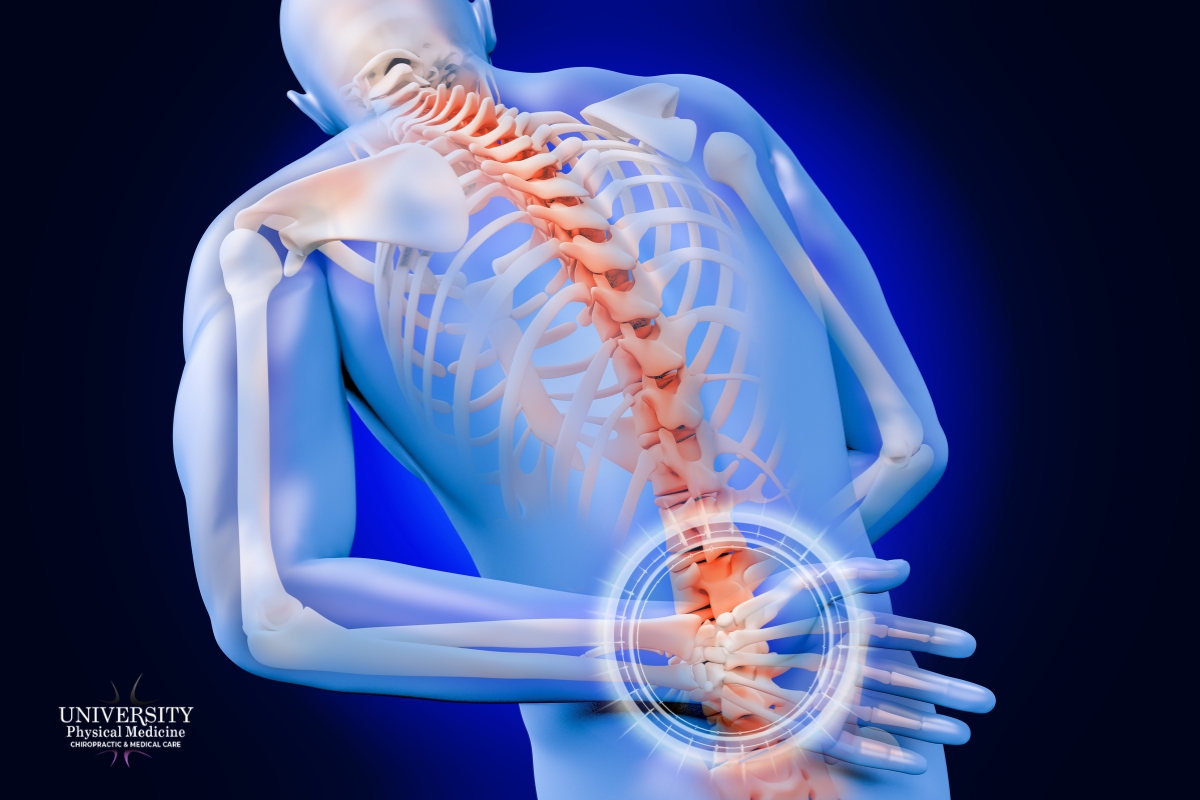
Unlike athletic falls where years of training create instinctive bracing patterns, a slip on a wet surface is an uncontrolled descent. The body can't pre-position for impact. That unpredictability creates a specific injury profile:
- Lumbar compression on gluteal or coccyx impact, the spine absorbs load it wasn't prepared for
- Cervical extension-flexion from the head snapping forward or back, a whiplash-type mechanism even without a vehicle
- Wrist and shoulder strain from reflex bracing, one of the most common injury sites after a fall
- Rotational thoracic strain on lateral falls, often overlooked because pain presents as diffuse and delayed
Even at moderate velocity, this mechanism produces the same category of injury a sports injury chiropractor evaluates daily: ligament micro-tears, joint capsule strain, and muscle guarding that can initiate a cascade of dysfunction if left unaddressed.
The 48-Hour Trap: Why Feeling Fine After a Fall Is Misleading
Adrenaline is released within seconds of a traumatic event and masks pain effectively. Meanwhile, the inflammatory response to soft tissue damage builds over the first 24 to 72 hours. The typical post-fall timeline:
- At the scene: minimal pain, shock and embarrassment dominate
- That evening: mild stiffness, easy to dismiss
- Morning after: noticeable soreness, some reduced range of motion
- Day 2 to 3: significant back, neck, or joint pain, protective muscle spasm has fully set in
By the time most patients present to a clinic, the acute inflammatory window has closed and compensatory muscle patterns have already taken hold. Early evaluation, even within hours of a fall, consistently produces better recovery outcomes than waiting to see whether pain develops.
What a Sports Injury Chiropractor Evaluates After a Slip and Fall
Because slip and fall injuries present as acute musculoskeletal trauma, evaluating them requires the same clinical approach used for sports injuries. At UPM, that assessment includes:
- Mechanism review: direction of fall, initial point of contact, whether the head moved rapidly on impact
- Cervical screen: especially critical when the head or neck was involved, a common source of post-fall headaches and radiating arm symptoms
- Orthopedic examination: joint stability, range of motion, and neurological integrity at each affected spinal segment
- Soft tissue assessment: identifying muscle guarding, myofascial restriction, and bruising patterns that indicate deeper structural involvement
- Imaging coordination: UPM refers for X-ray or MRI when structural injury such as fracture or disc involvement is suspected
Most soft tissue injuries from falls do not show on standard X-ray, which is precisely why a thorough hands-on clinical evaluation is the most critical step after ruling out fracture.
Slip and Fall Symptoms: Monitor vs. Get Evaluated
Symptom Monitor at Home Get Evaluated Promptly Mild soreness at impact site, first 12 hours Yes, Pain that worsens after 48 hours, Yes Neck stiffness or headache after the fall, Yes Back pain with numbness or tingling into legs, Yes, urgent Wrist or shoulder pain with reduced grip strength, Yes Soreness that improves with gentle movement within 24 hours Yes, Bruising directly over the spine, Yes Joint swelling at knee, ankle, or wrist, Yes
Slip and Fall Injury Treatment in Tallahassee: UPM's Three-Phase Approach
Soft tissue and joint injuries from falls follow a predictable recovery arc when properly treated. UPM structures care across three phases:
Phase 1, Acute Management (Days 1 to 5)
The priority is reducing inflammation, protecting injured structures, and establishing a functional baseline. This phase uses low-force joint mobilization and targeted soft tissue techniques appropriate to the level of inflammation. When warranted, UPM's integrated medical team provides co-management for anti-inflammatory support.
Phase 2, Restoration (Weeks 1 to 3)
As inflammation subsides, progressive joint mobilization and myofascial release restore normal movement patterns. Strengthening of the muscles that protect the affected segments begins. For cervical involvement from falls, this includes suboccipital and scalene work to address the whiplash-type component.
Phase 3, Prevention and Rehabilitation (Weeks 3 to 6)
Core stability training, balance and proprioception retraining, and postural correction address the compensatory patterns that develop after musculoskeletal trauma. This is where UPM's sports-injury rehabilitation methodology translates directly to non-athlete fall recovery patients, and where long-term outcomes are determined.
📋 Document Everything: Your 48-Hour Checklist After a Fall If your fall occurred on someone else's property, documentation protects your legal and insurance rights: Photograph the hazard, wet floor, slick surface, damaged pavement, before it is cleaned or repaired Get contact information from any witnesses at the scene File an incident report with the property owner or manager and keep a copy See a healthcare provider within 48 hours, this establishes a medical record tied to the incident date Keep all medical bills, receipts, and documentation of missed work Avoid posting about the incident on social media if a liability claim may be involved UPM can provide detailed medical documentation and records to support insurance claims and legal proceedings.
ER or Chiropractor? Knowing Which to Call First
Go to the ER immediately if:
- You hit your head and experienced any confusion, loss of consciousness, or vomiting
- You suspect a fracture, inability to bear weight, sharp localized bone pain, or visible deformity
- You have new numbness, tingling, or weakness in your arms or legs following the fall
- You have chest pain, difficulty breathing, or abdominal pain from the impact
A chiropractic evaluation is appropriate when:
- You have soft tissue pain, stiffness, or reduced range of motion after a fall
- Your pain is worsening 24 to 48 hours after the incident
- You need medical documentation of the injury for insurance or legal purposes
- You want to prevent a short-term strain from setting into a chronic problem
UPM coordinates imaging referrals and collaborates with your primary care physician or any specialists involved in your recovery. Chiropractic care and emergency medicine address different aspects of the same injury, combining them produces the best outcomes.
Frequently Asked Questions
How soon after a slip and fall should I see a chiropractor?
Ideally within 24 to 72 hours of the incident, even if symptoms feel mild. Early evaluation establishes a baseline, catches developing inflammation before protective muscle spasm sets in, and creates the medical documentation that matters if the fall occurred on someone else's property.
What injuries are most common after slipping on a wet surface?
Lumbar sprains and strains, cervical whiplash-type injuries even without direct head impact, sacroiliac joint sprains, wrist and shoulder injuries from bracing instinct, and coccyx and hip contusions are the most common presentations. Lumbar or cervical disc involvement should be ruled out whenever the fall involved significant impact force.
Will chiropractic treatment hurt after an acute injury?
Acute-phase care at UPM is designed to be gentle. Low-force mobilization and soft tissue techniques appropriate to the current level of inflammation are used from the first visit. High-velocity adjustments are introduced gradually as acute inflammation resolves, never during the initial injury presentation.
Can I use insurance for chiropractic care after a slip and fall?
Yes. Chiropractic care is generally covered under premises liability claims, homeowner and renter liability insurance, and most standard health insurance plans. If your fall was related to a motor vehicle accident, Florida PIP coverage typically applies. UPM's front desk assists with documentation and insurance billing coordination.
How long does recovery from a slip and fall injury take?
Uncomplicated soft tissue injuries typically resolve in 3 to 6 weeks with appropriate care. Cases involving disc involvement, joint instability, or significant muscle guarding may require 8 to 12 weeks. The most common avoidable outcome is chronic pain from an untreated fall, which frequently takes far longer to address than the original injury would have required with early intervention.
Medical Disclaimer: This blog is for educational purposes only and does not constitute medical advice. Always consult a licensed healthcare provider before beginning any new treatment. If you experience symptoms of a fracture, head injury, or neurological deficit after a fall, seek emergency care immediately.
Fell recently? Don't wait for pain to tell you something's wrong. University Physical Medicine's integrated team evaluates and treats slip and fall injuries with the same clinical precision applied to sports trauma. Early care means better outcomes, and proper documentation means you're protected.
📞 Call (850) 576-2129 | Book online: universityphysicalmedicine.com/contact-us