


Fax: (850) 576-9602
Fax: (850) 576-9602


Have you ever wondered how many years your Tallahassee FL chiropractor went to school or how their education compares to that of other health care professionals? Knowing your doctor's educational background and additional certifications is often essential to helping you choose the health care provider that is right for you. While the word "doctor" automatically implies an extensive academic curriculum, each health care specialist has a unique and individualized educational program to complete prior to practicing in the field.
Our doctors at University Physical Medicine have designed this article to help you understand your chiropractor’s educational background and how it may affect your care.
What are your chiropractors' educational requirements?
As with many professionals, the specific requirements outlined often vary from state to state. Typically, chiropractors are required to have completed undergraduate pre-medical studies and obtained a bachelor’s degree prior to admission to a post-graduate chiropractic college. Each chiropractic college has undergone a meticulous evaluation process to become certified by the Department of Education as an accredited educational institution.
The amount of time that your chiropractic doctor spends at a specific chiropractic academic institution is impressive. In fact, your chiropractor has spent a minimum of 4,200 hours at a chiropractic college prior to receiving his diploma. This time is spent in the classroom, laboratory, and clinic learning about the various aspects of the chiropractic profession and health care in general.
In the classroom, your doctor focuses his studies on the subjects of anatomy, physiology, diagnosis, pathology, biochemistry, neuromuscular and orthopedic evaluation, pediatric and geriatric care, microbiology, nutrition, immunology, radiology, philosophy, and clinical research. While this may seem like a lot, all of this information is assimilated and tested prior to advancement to clinical work. Once the student has completed his academic work, he will typically spend a minimum of 1,000 hours at a campus clinic under the guidance of a clinic doctor. During this time he will learn hands-on how to diagnose and treat patients in real clinical situations.
During your chiropractors' education, they will be tested through a number of different evaluations. Not only is your doctor subject to evaluation by their chiropractic college, they must also pass a series of national board examinations. Chiropractors practicing in the United States are required to have passed a series of four national board exams which evaluate them on their understanding of the basic sciences, clinical sciences, physiological therapeutics, diagnostic imaging, case management, and clinical competency. In addition to these requirements, following graduation and completion of national board examinations, each chiropractor must become certified by their state licensing agency.
The completion of these standards is not the end of the educational journey for chiropractic doctors. Depending on the state, each chiropractor is required to complete additional approved course work at designated times following their licensure. For example, Wisconsin requires a minimum of 40 hours of continuing education every two years following graduation.
So how does your chiropractors' education compare to other health care professionals?
After reading the above information, I feel it is safe to say that your chiropractic doctor knows far more about your health than just treating your back. To help understand this it is useful to compare a chiropractor’s education to other members of the health care community. Since many people are familiar with a medical doctor, we will compare their educational background with that of a chiropractic doctor. For starters, the typical chiropractic student will have completed a total of approximately 2,419 hours of academic work prior to the initiation of clinical studies. In comparison, the majority of medical students will have completed somewhere around 2,047 hours of study. Further, while each health care discipline has its strengths, chiropractic students undergo more hours of study in the fields of anatomy, embryology, physiology, biochemistry, diagnosis, x-ray, and orthopedics. In contrast, medical practitioners have had more classroom hours studying the subjects of pathology, psychology, and obstetrics.
When analyzing these numbers it is important to understand that while differences exist, each of your doctors has undertaken and completed a similar core education. In addition, it is important to remember that each of your doctors (even in the same healthcare discipline) possesses various strengths to compensate for other healthcare professionals' weaknesses and utilize a different approach to healing the body. In the end, finding a doctor that understands your needs and has the tools to provide you with the most appropriate care is what is important.
At University Physical Medicine our team is here to help answer your questions. Please feel free to contact us today.
Have you ever wondered how many years your Tallahassee FL chiropractor went to school or how their education compares to that of other health care professionals? Knowing your doctor's educational background and additional certifications is often essential to helping you choose the health care provider that is right for you. While the word "doctor" automatically implies an extensive academic curriculum, each health care specialist has a unique and individualized educational program to complete prior to practicing in the field.
Our doctors at University Physical Medicine have designed this article to help you understand your chiropractor’s educational background and how it may affect your care.
What are your chiropractors' educational requirements?
As with many professionals, the specific requirements outlined often vary from state to state. Typically, chiropractors are required to have completed undergraduate pre-medical studies and obtained a bachelor’s degree prior to admission to a post-graduate chiropractic college. Each chiropractic college has undergone a meticulous evaluation process to become certified by the Department of Education as an accredited educational institution.
The amount of time that your chiropractic doctor spends at a specific chiropractic academic institution is impressive. In fact, your chiropractor has spent a minimum of 4,200 hours at a chiropractic college prior to receiving his diploma. This time is spent in the classroom, laboratory, and clinic learning about the various aspects of the chiropractic profession and health care in general.
In the classroom, your doctor focuses his studies on the subjects of anatomy, physiology, diagnosis, pathology, biochemistry, neuromuscular and orthopedic evaluation, pediatric and geriatric care, microbiology, nutrition, immunology, radiology, philosophy, and clinical research. While this may seem like a lot, all of this information is assimilated and tested prior to advancement to clinical work. Once the student has completed his academic work, he will typically spend a minimum of 1,000 hours at a campus clinic under the guidance of a clinic doctor. During this time he will learn hands-on how to diagnose and treat patients in real clinical situations.
During your chiropractors' education, they will be tested through a number of different evaluations. Not only is your doctor subject to evaluation by their chiropractic college, they must also pass a series of national board examinations. Chiropractors practicing in the United States are required to have passed a series of four national board exams which evaluate them on their understanding of the basic sciences, clinical sciences, physiological therapeutics, diagnostic imaging, case management, and clinical competency. In addition to these requirements, following graduation and completion of national board examinations, each chiropractor must become certified by their state licensing agency.
The completion of these standards is not the end of the educational journey for chiropractic doctors. Depending on the state, each chiropractor is required to complete additional approved course work at designated times following their licensure. For example, Wisconsin requires a minimum of 40 hours of continuing education every two years following graduation.
So how does your chiropractors' education compare to other health care professionals?
After reading the above information, I feel it is safe to say that your chiropractic doctor knows far more about your health than just treating your back. To help understand this it is useful to compare a chiropractor’s education to other members of the health care community. Since many people are familiar with a medical doctor, we will compare their educational background with that of a chiropractic doctor. For starters, the typical chiropractic student will have completed a total of approximately 2,419 hours of academic work prior to the initiation of clinical studies. In comparison, the majority of medical students will have completed somewhere around 2,047 hours of study. Further, while each health care discipline has its strengths, chiropractic students undergo more hours of study in the fields of anatomy, embryology, physiology, biochemistry, diagnosis, x-ray, and orthopedics. In contrast, medical practitioners have had more classroom hours studying the subjects of pathology, psychology, and obstetrics.
When analyzing these numbers it is important to understand that while differences exist, each of your doctors has undertaken and completed a similar core education. In addition, it is important to remember that each of your doctors (even in the same healthcare discipline) possesses various strengths to compensate for other healthcare professionals' weaknesses and utilize a different approach to healing the body. In the end, finding a doctor that understands your needs and has the tools to provide you with the most appropriate care is what is important.
At University Physical Medicine our team is here to help answer your questions. Please feel free to contact us today.

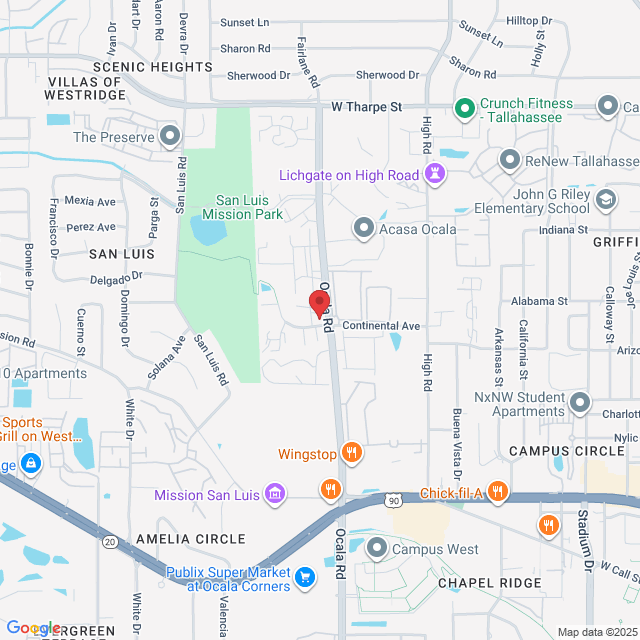
University Physical Medicine
1224 Ocala Rd
Tallahassee, FL 32304
Phone: (850) 576-2129
Fax: (850) 576-9602
OFFICE HOURS
Monday
8:30am - 5:30pm
Tuesday
8:30am - 12:30pm
Wednesday
9:00am - 6:00pm
Thursday
8:30am - 5:30pm
Friday
8:30am - 12:30pm
Saturday & Sunday
Closed
OFFICE HOURS
Monday
8:30am - 5:30pm
Tuesday
8:30am - 12:30pm
Wednesday
9:00am - 6:00pm
Thursday
8:30am - 5:30pm
Friday
8:30am - 12:30pm
Saturday & Sunday
Closed
University Physical Medicine
1224 Ocala Rd
Tallahassee, FL 32304
Phone: (850) 576-2129
Fax: (850) 576-9602

COMPANY
LEGAL
Address Details:
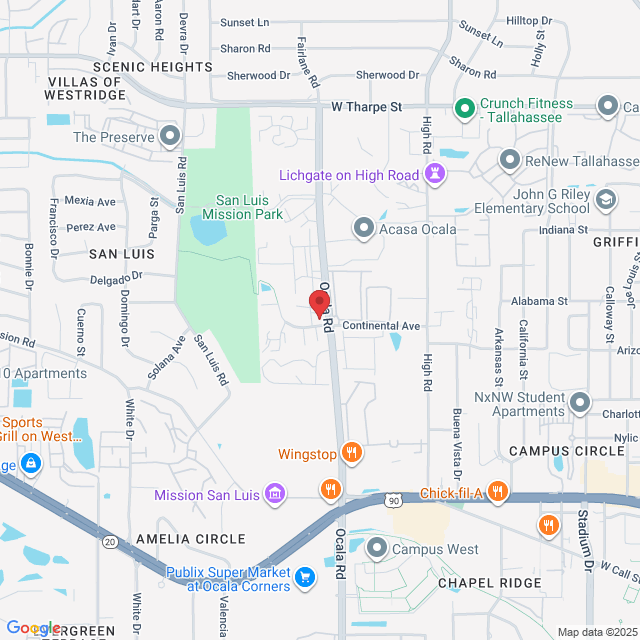
University Physical Medicine
1224 Ocala Rd
Tallahassee, FL 32304


Copyright 2026. University Physical Medicine. All Rights Reserved.
Made with ❤️by The Revive Agency.
COMPANY
LEGAL
Address Details:
University Physical Medicine
1224 Ocala Rd
Tallahassee, FL 32304
Copyright 2026. University Physical Medicine. All Rights Reserved.
Made with ❤️by The Revive Agency.